Overview

International Council for Day of Vesak Executive Committee

President
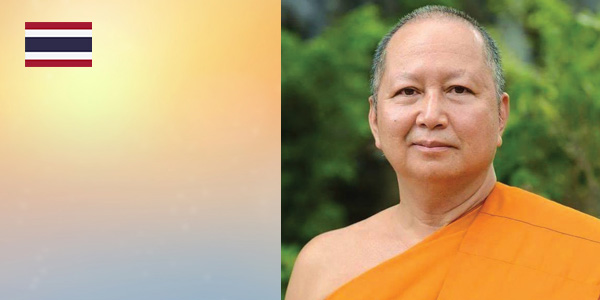
Vice President
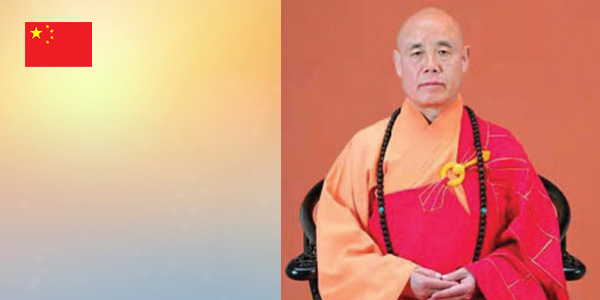
Vice President
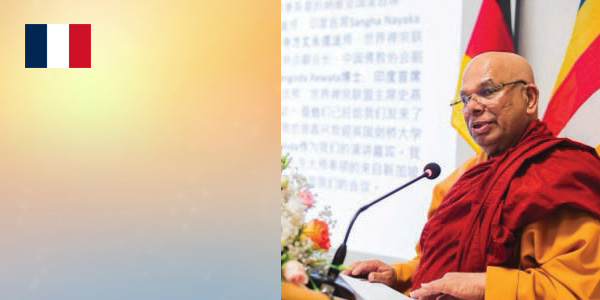
Vice Presiden
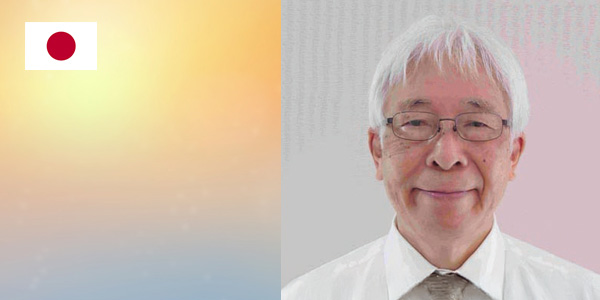
Executive Secretary

Assistant Executive Secretary
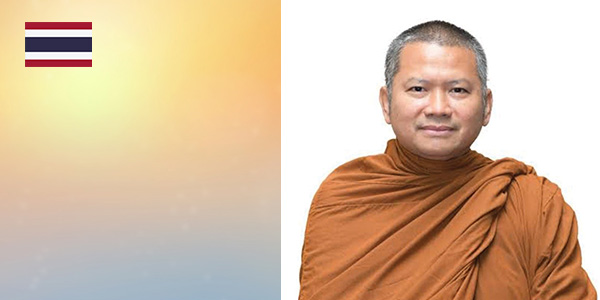
Assistant Executive Secretary
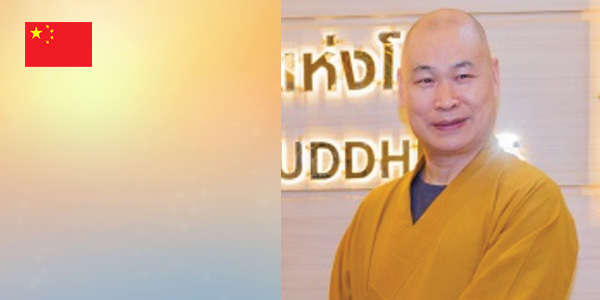
Assistant Executive Secretary

Treasurer
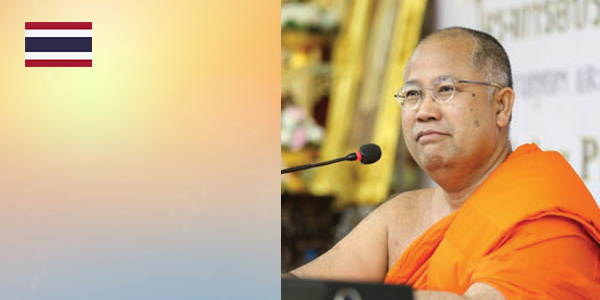
Member
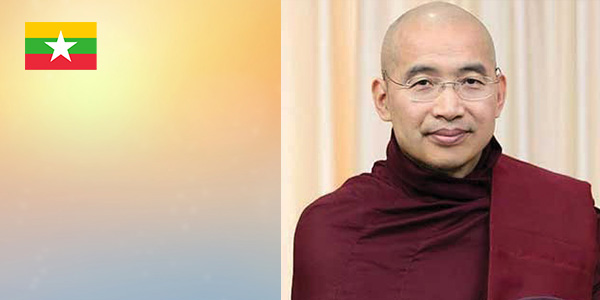
Member
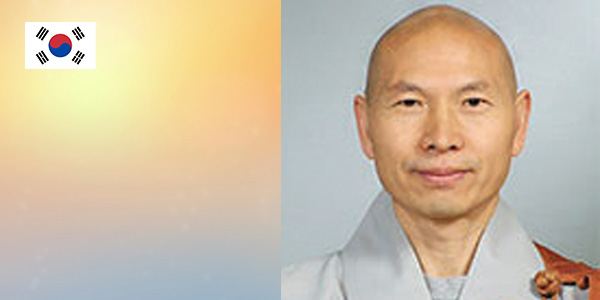
Member
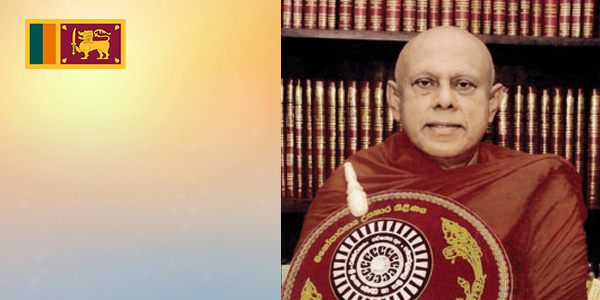
Member
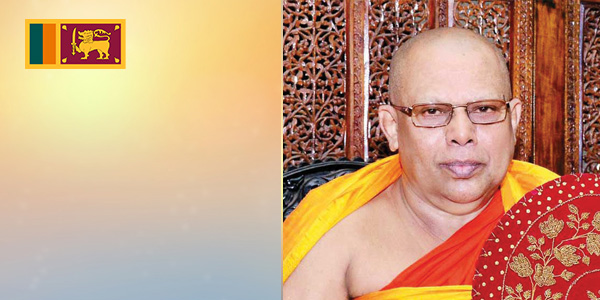
Member
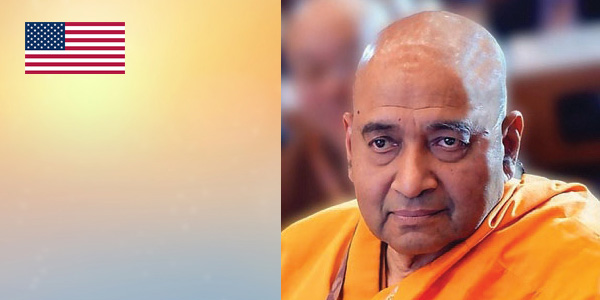
Member
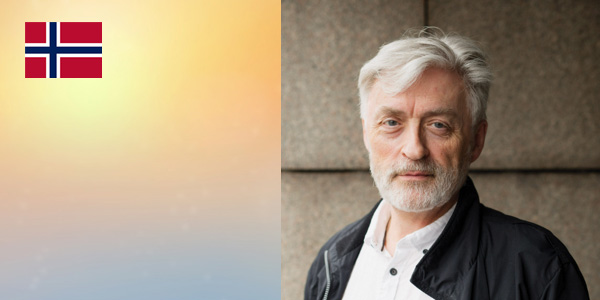
Member

Member
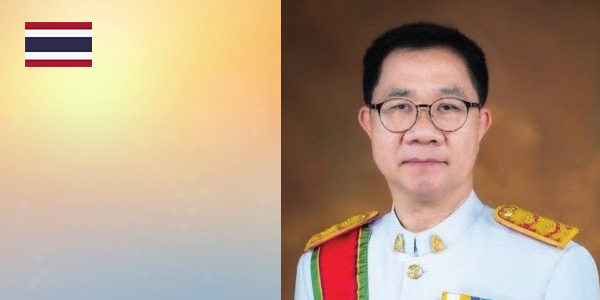
Co-opt Member
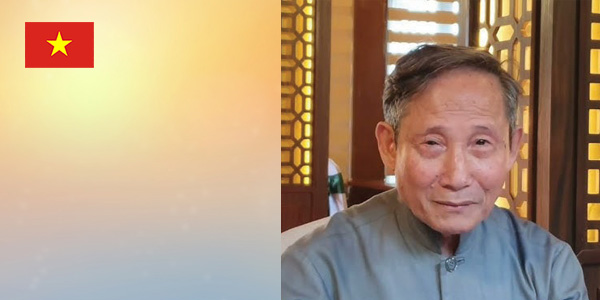
Co-opt Member
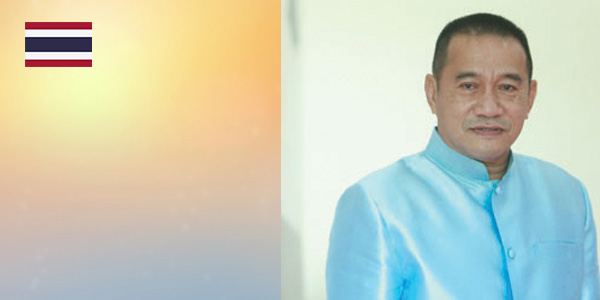
Co-opt Member
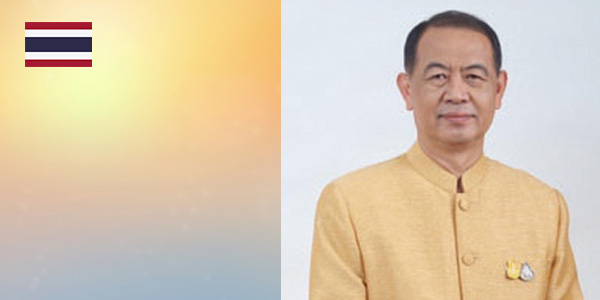
Co-opt Member
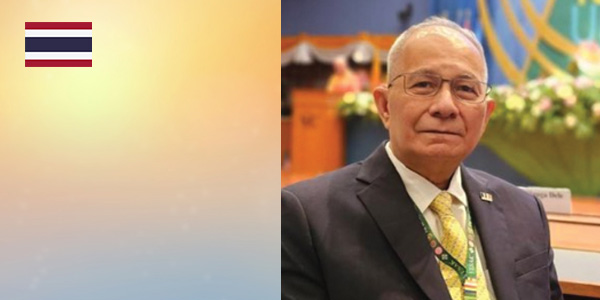
International Council for Day of Vesak Executive Committee
CONSTITUTION OF INTERNATIONAL COUNCIL FOR DAY OF VESAK
Arising from the Resolution adopted by the United Nations Assembly in New York, USA in 1999, the thrice-sacred day of Vesak — Birth, Enlightenment and Passing away of Sakyamuni Gotama The Buddha, has been celebrated annually since 2005. The International Organizing Committee of the United Nations Day of Vesak (hereinafter refer to as “IOC) formed amongst the representatives of the Buddhist organizations or Centres from 61 countries organized the United Nations Day of Vesak celebrations in Bangkok, Thailand in 2005, 2006, 2007 under the patronage of the Supreme Sangha Council and the Government of the Royal Kingdom of Thailand and in Hanoi in 2008, under the patronage of the Sangha Council and the Government of the Socialist Republic of Vietnam.
The members of the Buddhist called themselves as the International Organizing Committee for the Day of Vesak assembled at the Mahachulalongkornrajavidyalaya University; Ayutthaya, Thailand do hereby agreed to the formation of the International Council for Day of Vesak.
ARTICLE 1: NAME OF COUNCIL
The Council shall be known as “International Council for Day of Vesak” or in abbreviation: “ICDV.”
ARTICLE 2: ADDRESS
The official address shall be at the Main Campus, Mahachulalongkornrajavidyalaya University, Ayutthaya, Thailand or any other place or places as may from time to time be decided on by Executive Council. This registered place of business shall not be changed unless prior approval is obtained from the relevant authority.
ARTICLE 4: HEADQUARTERS
The Headquarters of the ICDV shall be in the royal Kingdom of Thailand with its official address at Maha- chulalongkornrajavidyalaya University, Ayutthaya, Thailand.
ARTICLE 5: AIMS AND OBJECTIVES
The objects of ICDV shall be
- Propagate the sublime doctrine of the Buddha;
- Promote unity, solidarity and brotherhood amongst Buddhists;
- Encourage, foster and develop the qualities of truth, compassion and to practice the Teaching of the Buddha
- Internationally recognize and observe the Day of Vesak, the thrice sacred day commemorating the birth, the enlightenment and the passing away of the Buddha, as the day of religion and culture.
- To promote, foster and maintain collaborations between the different Buddhists traditions, in order to foster and support Buddhist Culture, Philosophy and Practice for the well being and happiness of humanity.
- To organize conferences, workshops and forums to discuss academic, social and religious issues.
- To encourage Buddhist academics and scholars to dialogue and contribute to promotion of Buddhist studies and philosophy.
- To encourage the practice of Buddha-Dhamma and to meet the challenges of the world that is faced by humanity.
- To discuss matters relating to the general welfare of the World Buddhist Community and to deliberate on the issues this may arise from time to time.
- ICDV In affirming its Joint Communiqué recognizes the fundamental goals of the founding members commits itself to strive for peace in the world.
- ICDV will, in cooperation and collaboration with International Association of Buddhist Universities (IABU) organizes international seminar, forum, symposium to promote unity and solidarity in order to achieve its Aims and Objectives.
ARTICLE 6: ADMINISTRATION
The administration of ICDV shall consist of the following and shall be nominated by the President of ICDV for the appointment and consent by the Supreme Sangha Council of the Royal Kingdom of Thailand. The term of office shall be four (4) years after which it can be re-appointed.
- Patrons
- Executive Council
- Organization Members
ARTICLE 7: PATRONS
The Executive Council shall invite Buddhist personalities to be Patrons of ICDV.
ARTICLE 8: EXECUTIVE COUNCIL
The management of the affairs of ICDV shall be vested in the hands of the following:
- President
- Three Vice Presidents
- Secretary-General
- Two Assistant Executive Secretaries
- Hon Treasurer
- Nine Executive Council members
The Executive Council shall meet at least once in six months or as need arises.
The first Executive Council of ICDV shall comprise of the persons whose names appear in the Third Schedule.
ARTICLE 9: ORGANIZATION MEMBERS
Subject to and in accordance with the provision of the Statutes, the Executive Council may admit to such privileges and benefits of ICDV as may be determined by the Executive Council, Buddhist organizations (hereinafter refer to as “Members”) legally registered and recognized by the Governments in their country to be the Organization Members.
ARTICLE 10: LOSS OF MEMBERSHIP
Any member shall be liable to suspension or ask to resign from ICDV if it conducts itself in a manner which in the opinion of the Executive Council is detrimental to the interest and well-being of ICDV. Such power shall always be decided upon by a majority of at least two-thirds of the Executive Council.
ARTICLE 11: POWERS OF THE EXECUTIVE COUNCIL
- The Executive Council shall have the power to fill any vacancy that may occur during the year.
- The Executive Council shall have full power to make, alter, add to or repeal Bye-laws relating the affairs of ICDV or any matter not provided for in the Articles and Regulations. Such bye-laws so made, altered, added to or repealed shall come into force at such time as it fixed by the Executive Council and by the issue of circulars to members making known such alterations, additions and/ or repeals be deemed final and binding upon all members.
- The Executive Council shall have the control of the finances of ICDV and all such administrative powers as may be necessary for properly carrying out the objects of ICDV in accordance with its Articles and Regulations.
- The Executive Council may, if it so think fit, co-opt additional members to the Executive Council at any such time, such co-opt members shall not exceed four (4) in number.
- The Executive Council shall have the power to appoint any committees or sub-committees as may be necessary for the purpose of carrying out the various objects of ICDV. Such committees or Sub-Committees formed shall report to the Executive Council from time to time. The appointed chairman of such committees or Sub-committees may, if he/she thinks fit, co-opted additional members at any time.
ARTICLE 12: DUTIES AND RESPONSIBILITIES OF THE EXECUTIVE COUNCIL
- The President shall preside at all Meetings. He shall be responsible for the proper conduct of business at all such meetings. He shall sign the minutes of each meeting at the time they are approved. It shall be his duty to superintend the general administration of the affairs of ICDV. He shall have a casting vote.
- One of the Vice-Presidents shall be appointed to act for the President in his absence.
- The Hon Secretary-General shall be responsible for the general administration of ICDV.
- The Deputy Secretaries shall assist the Secretary- General in the administration of ICDV
- The General Treasurer shall be responsible for the safe keeping of financial books and monies.
ARTICLE 13: FUNCTION OF THE ORGANIZATION MEMBERS
- The Executive Council shall invite and admit Buddhist organizations that are legally registered according to the existing law in their country of origin to be Organization Member.
- The Organization Members shall meet at least once a year to formulate the activities of the United Nations Day of Vesak celebration.
- To approve the recommendation of the Executive Council on the decision of the Venue of the UNDV celebration.
ARTICLE 14: GENERAL MEETINGS
- There shall be an Annual General Meeting of ICDV which shall be held once in each calendar year. In the event that a Special meeting is required, the Secretary-General in consultation with the President to convene such meeting. Ten (10) members or twice the number of the members of the Executive Council shall constitute a quorum whichever is lesser.
- The Agenda for the Annual General Meeting shall be as follows:
- Confirmation of Minutes of the last Annual General Meeting or any Extra-ordinary General Meting held during the year
- To receive and adopt the Executive Council’s Report of the preceding year
- To receive and adopt the audited Statement of Account and Balance Sheet
- To discuss any other matter(s) of which three (3) clear days’ notice have been given in writing to the Hon Secretary-General
ARTICLE 15: FOUNDING PRESIDENT
The founding President of the International Organizing Committee of the United Nations Day of Vesak celebration shall be the President of the International Council for Day of Vesak.
ARTICLE 16: JOINT COMMUNIQUÉ
To approve the proposed Joint Communiqué drafted by the Drafting Committee, after it was approved by the Executive Council.
ARTICLE 17: INCOME AND PROPERTY
- The income and property of ICDV shall be applied solely towards the promotion of the Aims and Objects of ICDV set forth in this Constitution.
- Subject to the provisions of this Constitution and of the Statues, the Executive Council shall have the management and control of ICDV and the administration of all its property and income, with power to delegate all or any of their powers to committees or sub-committees from amongst their own number or otherwise appointed for the purpose, provided that no resolution passed at a meeting of a committee or sub-committee shall take effect unless a majority of the persons present at such meeting are Executive Council members or the resolution is confirmed by the Executive Council.
ARTICLE 18: COOPERATION
- The celebration of the United Nations Day of Vesak shall be organized by ICDV.
- The Executive Council shall invite International Association of Buddhist Universities (hereinafter refer to as “IABU”) to organize the academic programs or activities of the United Nations Day of Vesak celebrations.
- Any other programs or activities organized by ICDV shall also work in the same line of cooperation and collaboration.
ARTICLE 19: HOST OF ANNUAL VESAK CELEBRATION
- The Annual United Nations Day of Vesak shall be held in the Royal Kingdom of Thailand and/ or at any other venue in other countries as decided by the Executive Council.
- Any interested parties wishing to host the celebration shall apply to the Executive Council stating their interest together with a letter of Undertaking covering the financial and organizational aspects of the celebration.
- The Executive Council shall have power to amend or alter or cancel any activities or program which is not in the interest of the ICDV.
- Any Joint Communique issued at the end of any Conferences or Seminars shall first be approved by the Executive Council with the unanimous consent or approval by the participants.
- The Joint Communique shall then be endorsed by the leaders of the delegation of the said Assembly.
ARTICLE 20: STATUTES
The Statutes set forth in the Schedules below shall be the Statutes of ICDV until the same shall be amended as provided below.
ARTICLE 21: AMENDMENT OF STATUTES
Subject to the provision of this Constitution, the Executive Council shall have full power to propose to the General Meeting of ICDV, convened by notice specifying clearly the subject of such proposal, Statues or amended Statutes shall come into force once approved by a resolution to takes effect passed by a majority of not less than two-thirds of those present at a General Meeting of ICDV.
ARTICLE 22: AUDIT OF ACCOUNTS
True and correct accounts shall be kept of the income and expenditure of ICDV. There shall be an audit of the accounts of ICDV made every year by one or more duly qualified Auditors to be appointed by ICDV in a General Meeting. The Auditors shall make a financial report, a copy of which shall be circulated to members of ICDV together with a copy of the audited accounts, not less than 21 days before the General Meeting at which they are to be approved.
ARTICLE 23: WINDING-UP
ICDV shall not be wound up unless approved by two-thirds of the Organization members and the Executive Council at a meeting or at a Special convened for the purpose and with the consent of the Supreme Sangha Council of the Royal Kingdom of Thailand.
ARTICLE 24: AMENDMENT OF CONSTITUTION
- ICDV may amend or add to this Constitution by a resolution to that effect which is:
- Adopted at any meetings of the Organization Members or the Executive Council, by a majority, of not less than two-thirds of the members of the Executive Council present and voting, at the meeting which also constitutesan absolute majority of all members of the Executive Council; and is Confirmed by a majority of not less than two-thirds of the Representatives of the members present and voting at a Special General Meeting held not less than one month or more than four months thereafter.
